Features
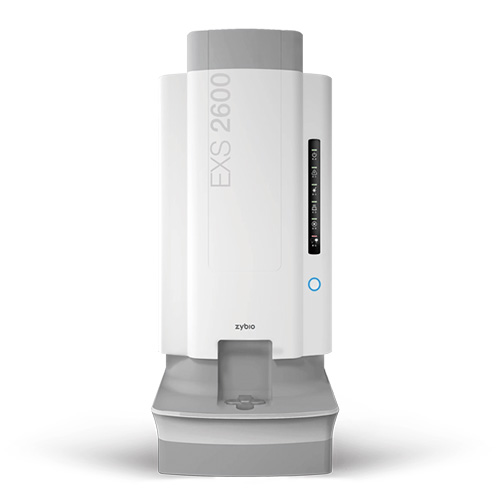
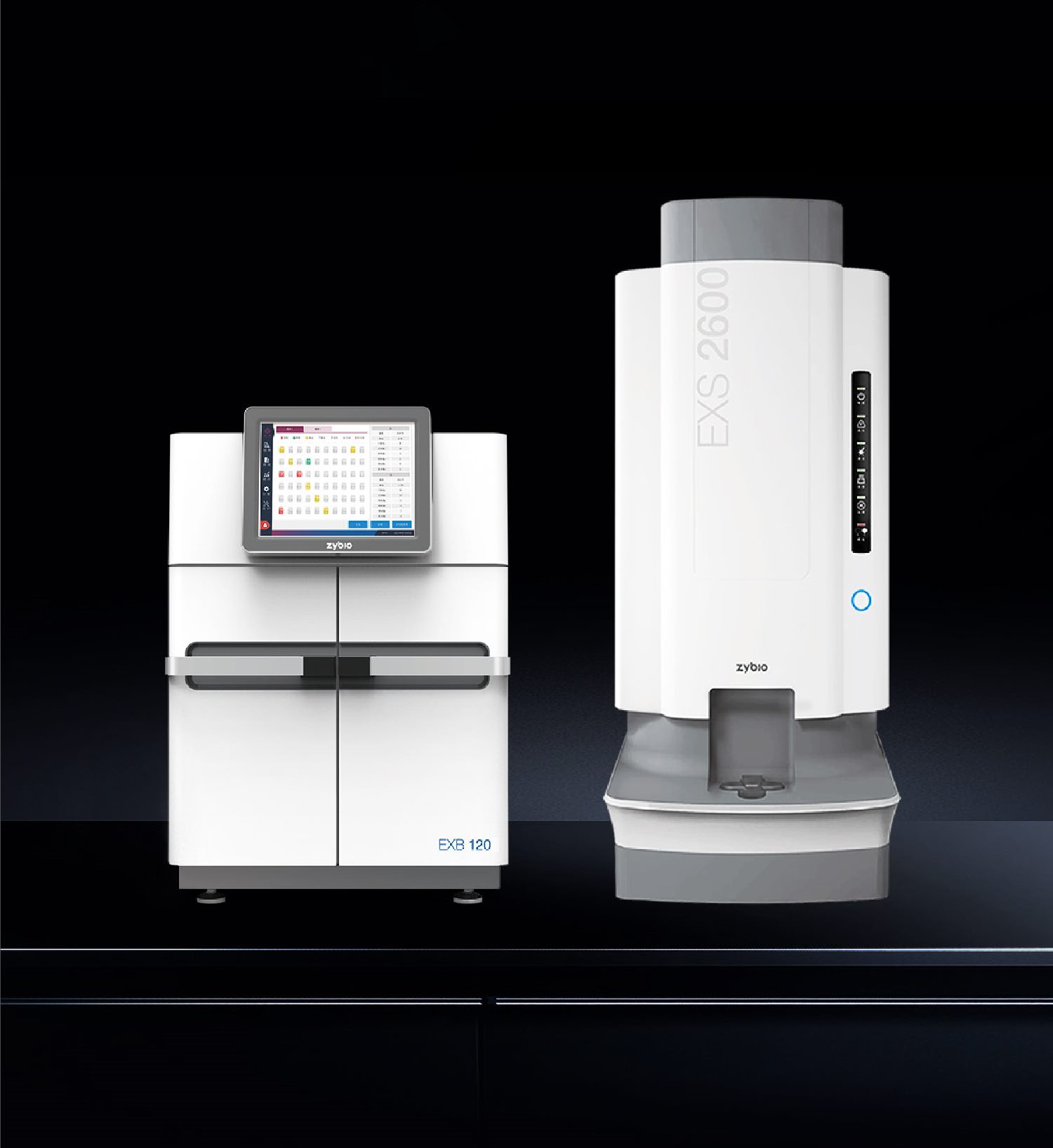
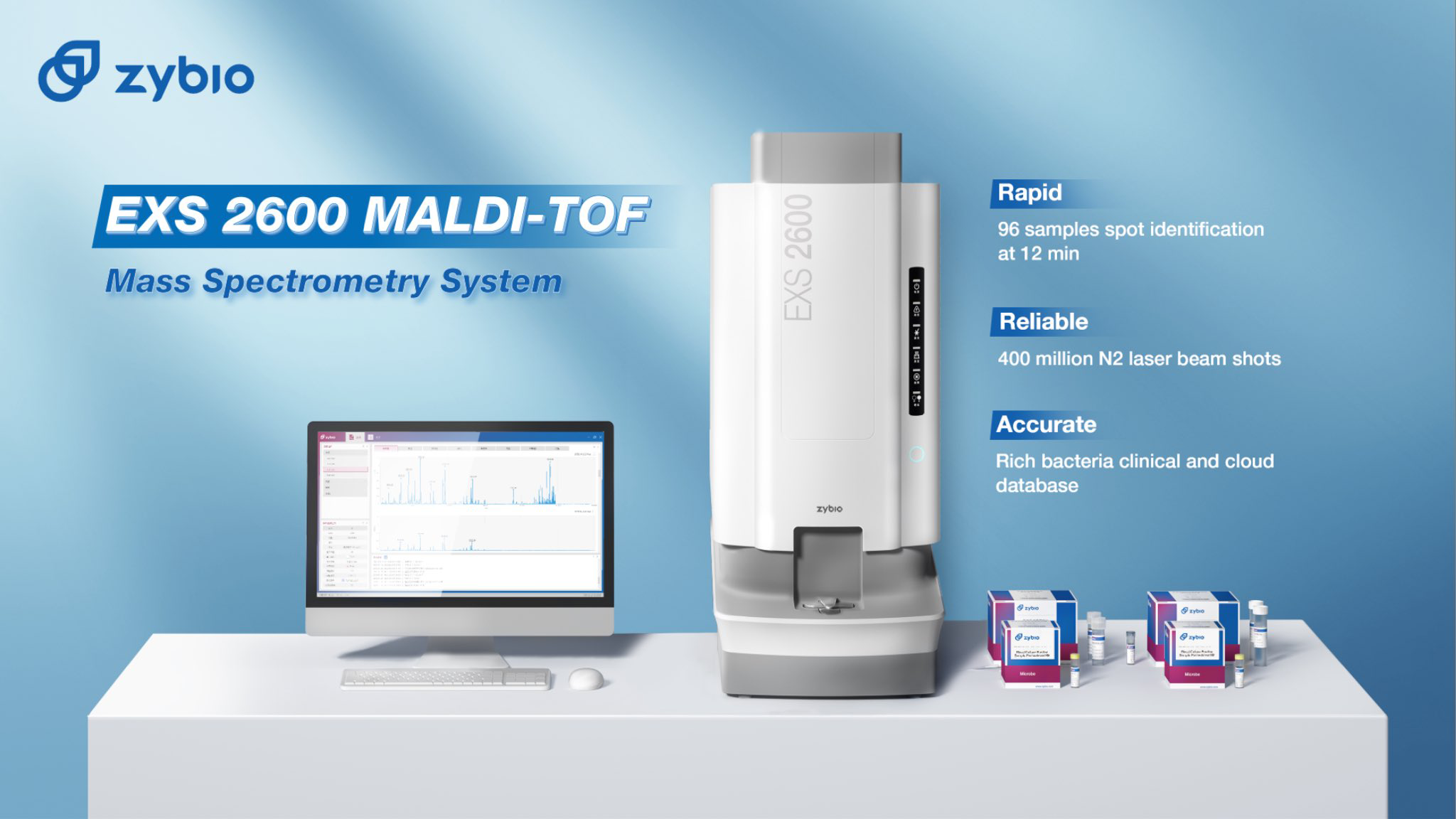
Based on matrix-assisted laser desorption/ionization time-of-flight (MALDI-TOF) mass spectrometry technology, the EXS 2600 is used for the identification of microorganisms, including various bacteria, fungi, molds, and others. Compared with traditional diagnostic methods, the EXS 2600 offers high-throughput screening and provides sensitive and highly accurate identification thanks to advanced sample preparation kits, user-friendly software, and an extensive strain database.
Key Advantages
- Reference morphological images in the database to support medical decision-making in ambiguous identification cases
- Artificial intelligence classification algorithms for identifying rare and complex bacteria (e.g., mycobacteria, nocardia) and filamentous fungi
- Extensive clinical database: over 4,000 species and 15,000 strains
- Largest local fungal library: over 887 fungi (including 629 mold species)
- Only 12 minutes to analyze 96 samples on a single target plate
- Results available in 15 minutes instead of 2 days, helping save critically ill patients
- Long-life N₂ laser (>4×10⁸ laser shots)
- Special integrated board design to improve signal-to-noise ratio and reduce error rates
- Patented high-efficiency ion drive technology to improve throughput, sensitivity, and resolution
- Flight tube temperature compensation technology to ensure stable instrument operation
- Data acquisition and identification in one software platform
- Reusable 96-well target plate to minimize costs
- Oil-free vacuum pump eliminating maintenance expenses
- Compact design saving laboratory space
- Intuitive intelligent indicators for real-time monitoring
- Ability to build a custom database
- Wide range of pre-treatment kits for different sample types
- Innovative 2-minute pre-treatment technology for filamentous fungi
- Direct identification of microorganisms from positive blood cultures without subculture
- Ready-to-use matrix solution with high stability and room-temperature storage
- Fewer sample preparation steps and more efficient disruption of dense mold cell walls (mold preparation <2 minutes)
Areas of Application
- Clinical hospitals, outpatient clinics, and emergency departments
- Prevention and control of hospital-acquired infections
- Microorganism identification and traceability monitoring in CDC systems
- Microbial detection and quality control in pharmaceutical and food enterprises
- Microbiological research in science, industry, agriculture, environmental protection, animal husbandry, and veterinary medicine
- Microbiological control and quarantine sectors